September 20, 2025
While often associated with aerospace or medical devices, CNC machining components are equally vital...

The CNC turning process is a typical subtractive manufacturing process that uses a cutting tool to remove material from the outside of a material. As the workpiece rotates (continuously turns), the excess material is removed until the final product’s desired shape, diameter, and size is achieved.
CNC turning is suitable for turning metals and plastics. The basic principle of CNC turning involves rotating the workpiece and feeding the cutting tool; in this way, parts of the material are removed from the outside of the workpiece until the desired shape, diameter, and size are achieved.
This is a common question. The simplest way to remember it is:
Many modern machines, called CNC Turning Centers or Mill-Turn Centers, combine both capabilities into one machine for maximum flexibility.
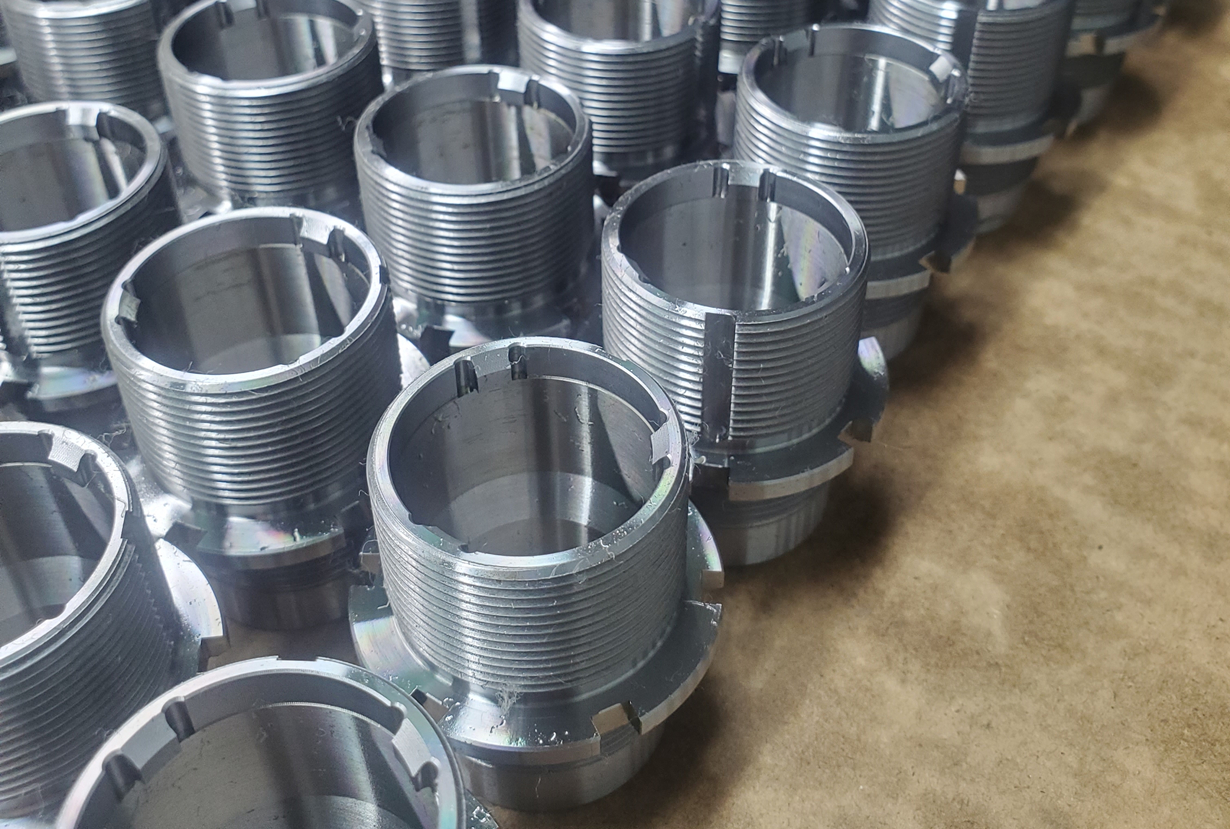
CNC turning operations mainly include straight turning, knurling, parting, taper turning, threading, and grooving. They range from basic diameter reduction to complex shape processing, suitable for different materials and processing requirements.
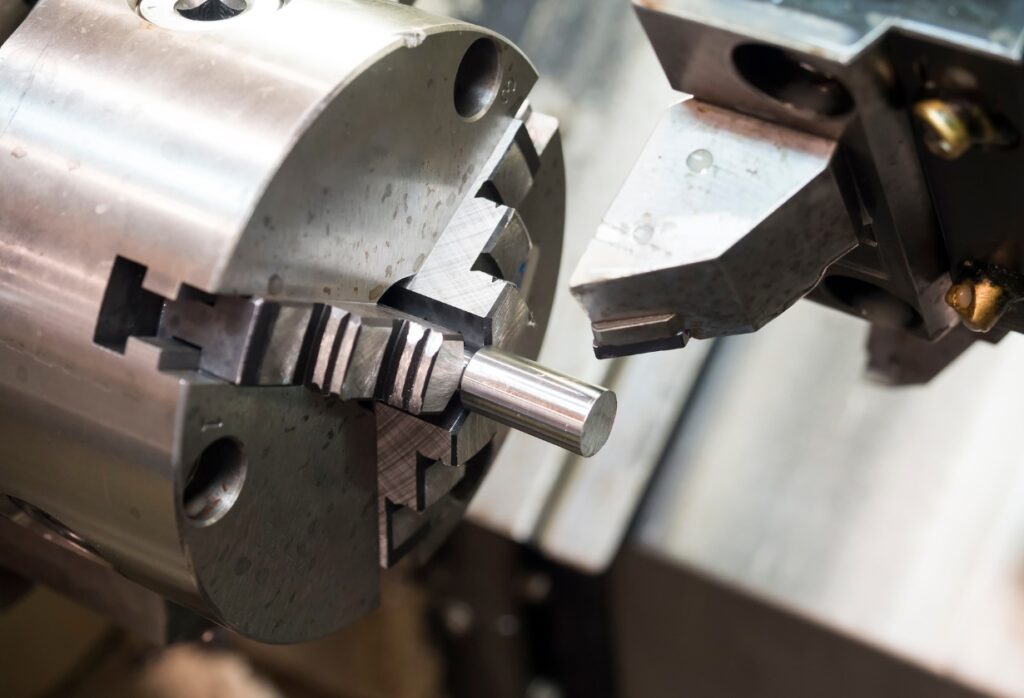
CNC turning is mainly suitable for machining rotating parts. This is because CNC turning is usually used to machine workpieces with rotational symmetry, such as shafts, round components, etc. These workpieces can be precisely dimensioned and shaped through the rotation of the lathe and the feed of the tool.
When selecting materials suitable for CNC turning, the cutting performance, hardness, and toughness of the material, as well as the accuracy and surface quality requirements after processing, should be considered.
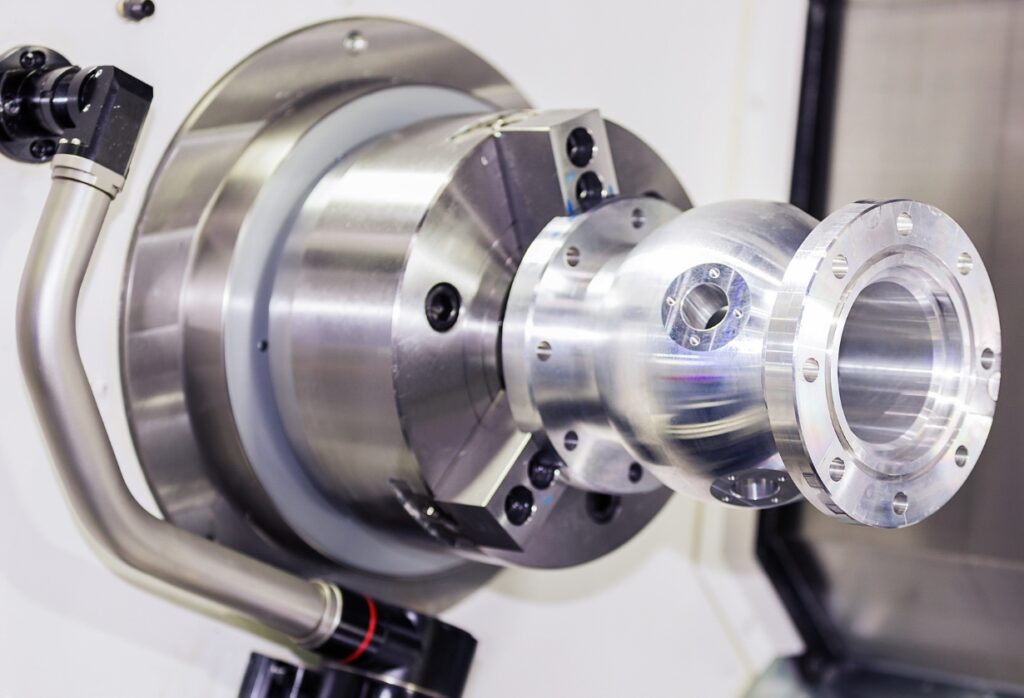
CNC turning is a high-efficiency, high-precision, and highly flexible mechanical processing equipment. It has the characteristics of high precision, high efficiency, robust reliability, and good repeatability. It is widely used in aviation, automobile, electronics, racing, mechanical processing, and other fields.
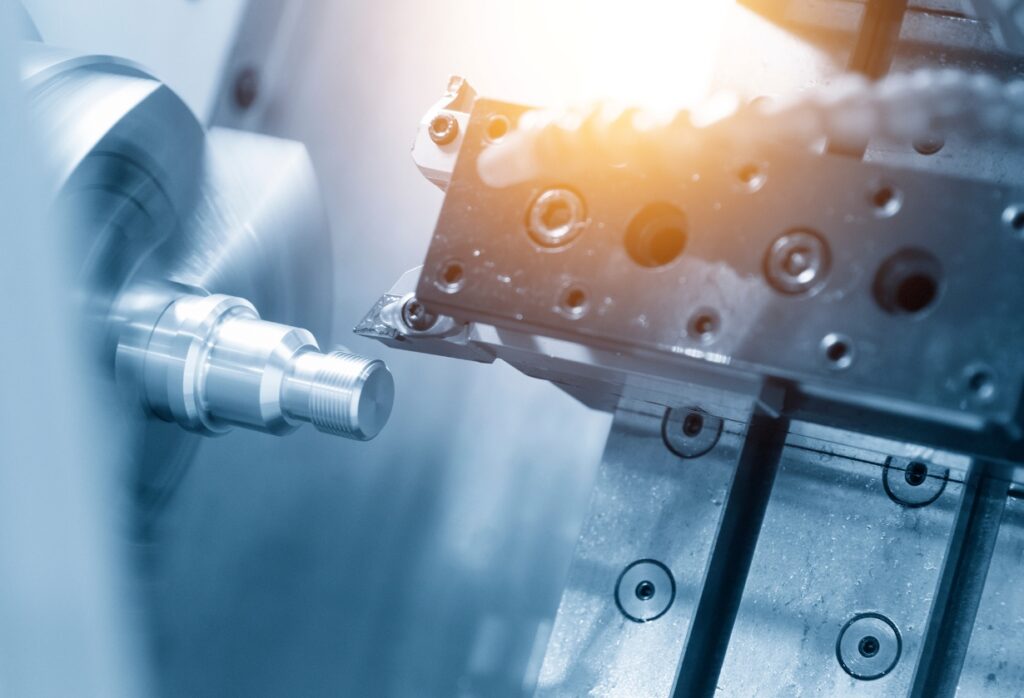
CNC turning is ideal for producing parts that are symmetrical around an axis. Common examples include:
We are a professional CNC turning manufacturer from China. Our CNC machining workshop has CNC turning and milling equipment, allowing us to provide one-stop, customized high-precision CNC machining parts for customers in various industries.
Our CNC machining service can turn metal and plastic materials. The roughness of the turned metal parts can reach Ra0.4 and the precision tolerance can reach ±0.005mm.
Need high-precision turned parts for your next project? Our factory is equipped with state-of-the-art CNC turning centers to deliver quality components on time and to spec. Request a quote today and let our experts handle your manufacturing needs.
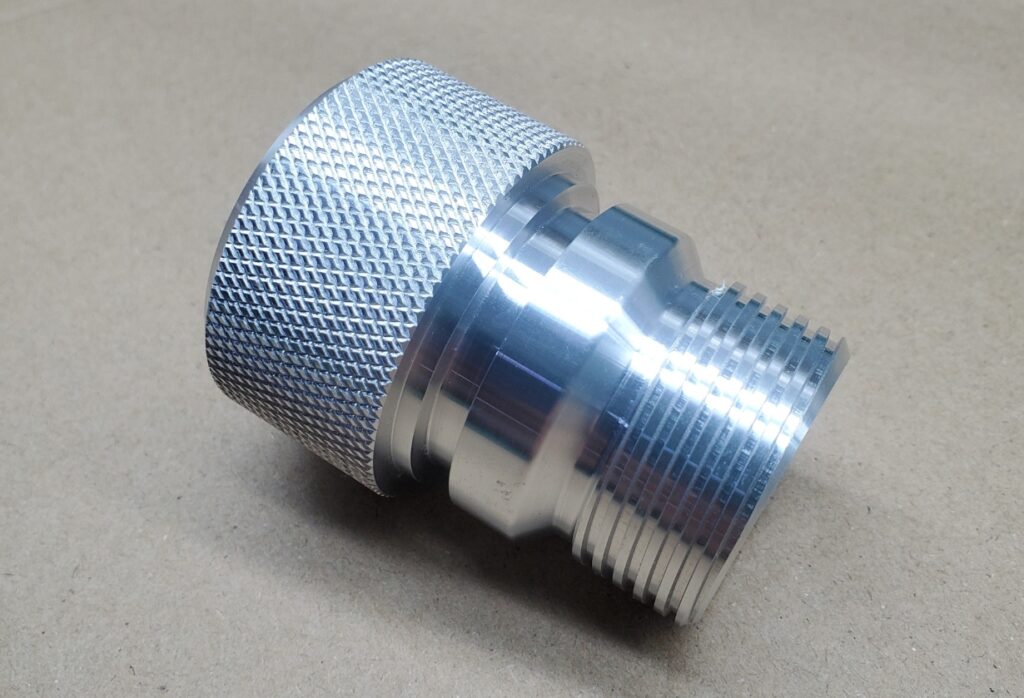
While often associated with aerospace or medical devices, CNC machining components are equally vital...
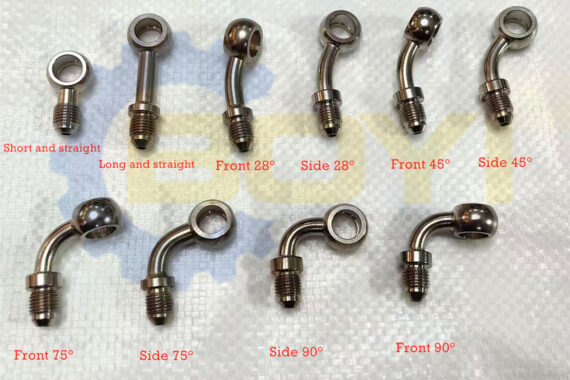
A Banjo brake adapter fitting is a small, shaped fitting that changes the angle...
Our professional CNC machining service is revolutionizing the manufacturing of drywall taping tool parts,...